Explore Our Animals
Discover over 100 animals from around the world. Each one has a story, and each one matters.
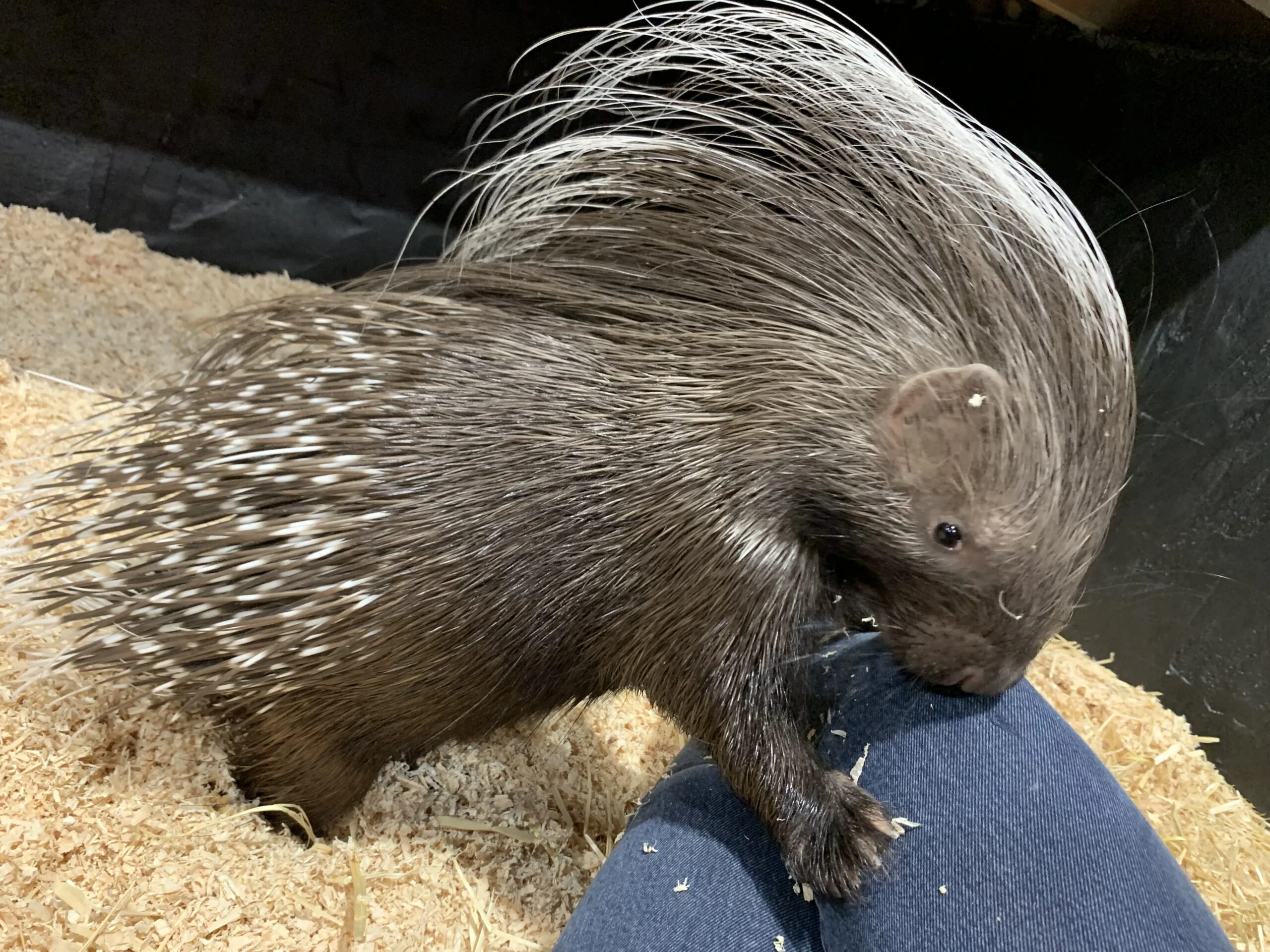
Mammals
4 speciesMammals are a diverse group of animals defined by their warm-blooded physiology, hair or fur, and the care they provide to their young. Found in nearly every environment on Earth, mammals display an extraordinary range of behaviors, adaptations, and survival strategies.
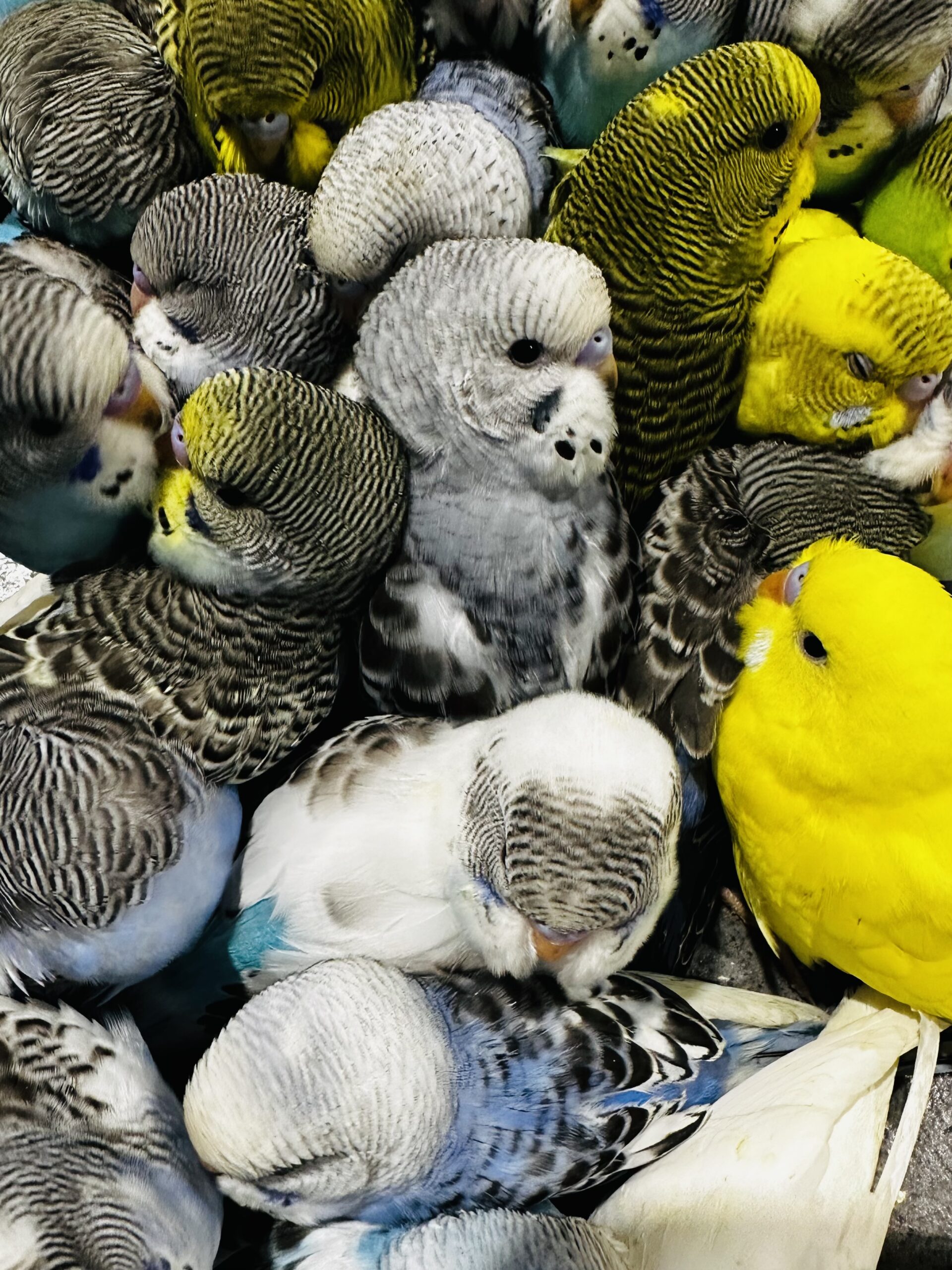
Birds
10 speciesBirds are among the most visible and dynamic animals on the planet, recognized by their feathers, beaks, and remarkable ability to adapt to a wide range of environments. From dense rainforests to open grasslands and urban spaces, birds occupy nearly every habitat on Earth.
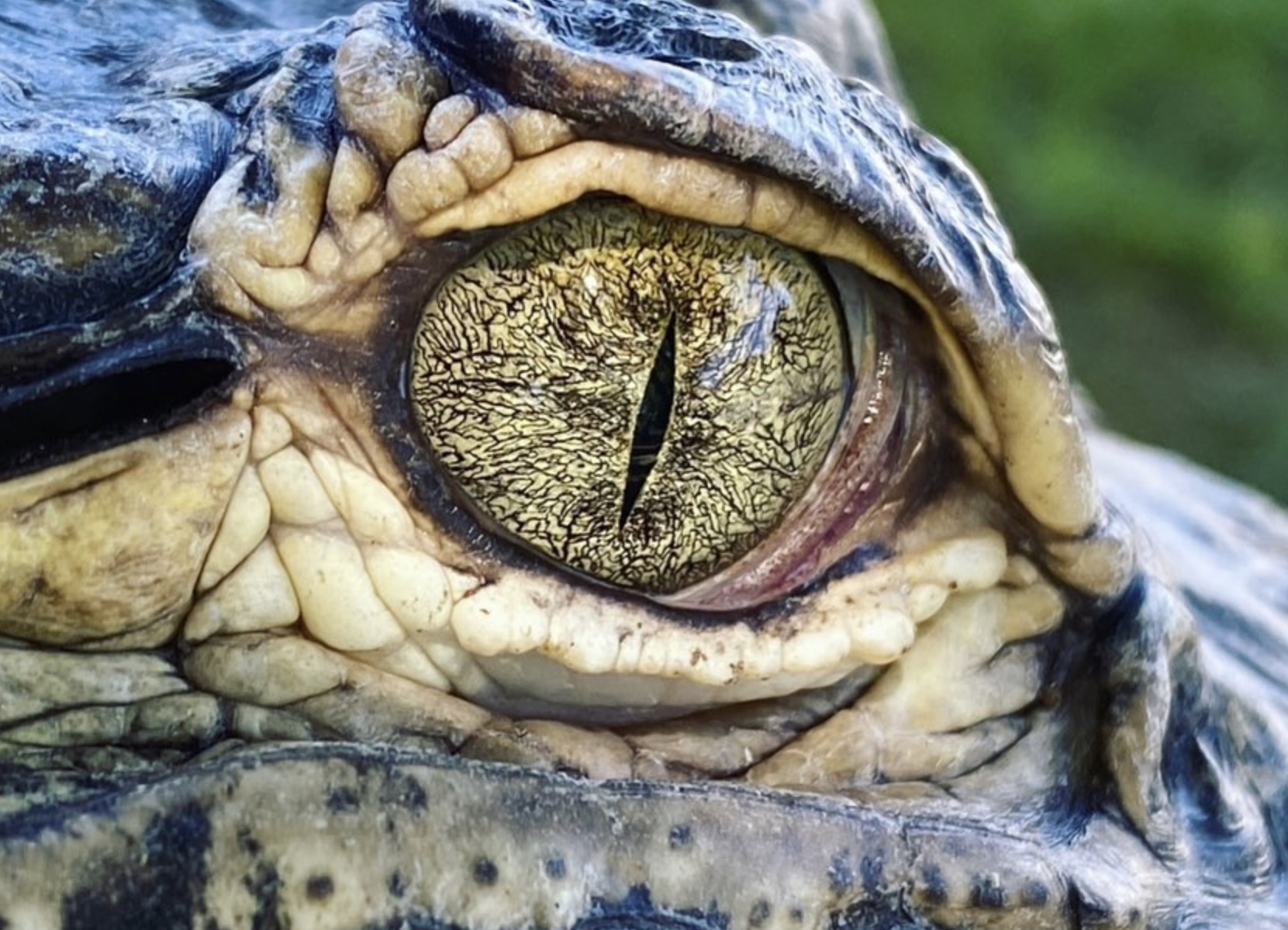
Crocodilians
1 speciesCrocodilians are among the most powerful and visually striking animals on the planet. This group includes alligators, crocodiles, caimans, and gharials—large, semi-aquatic reptiles built for strength, patience, and precision.
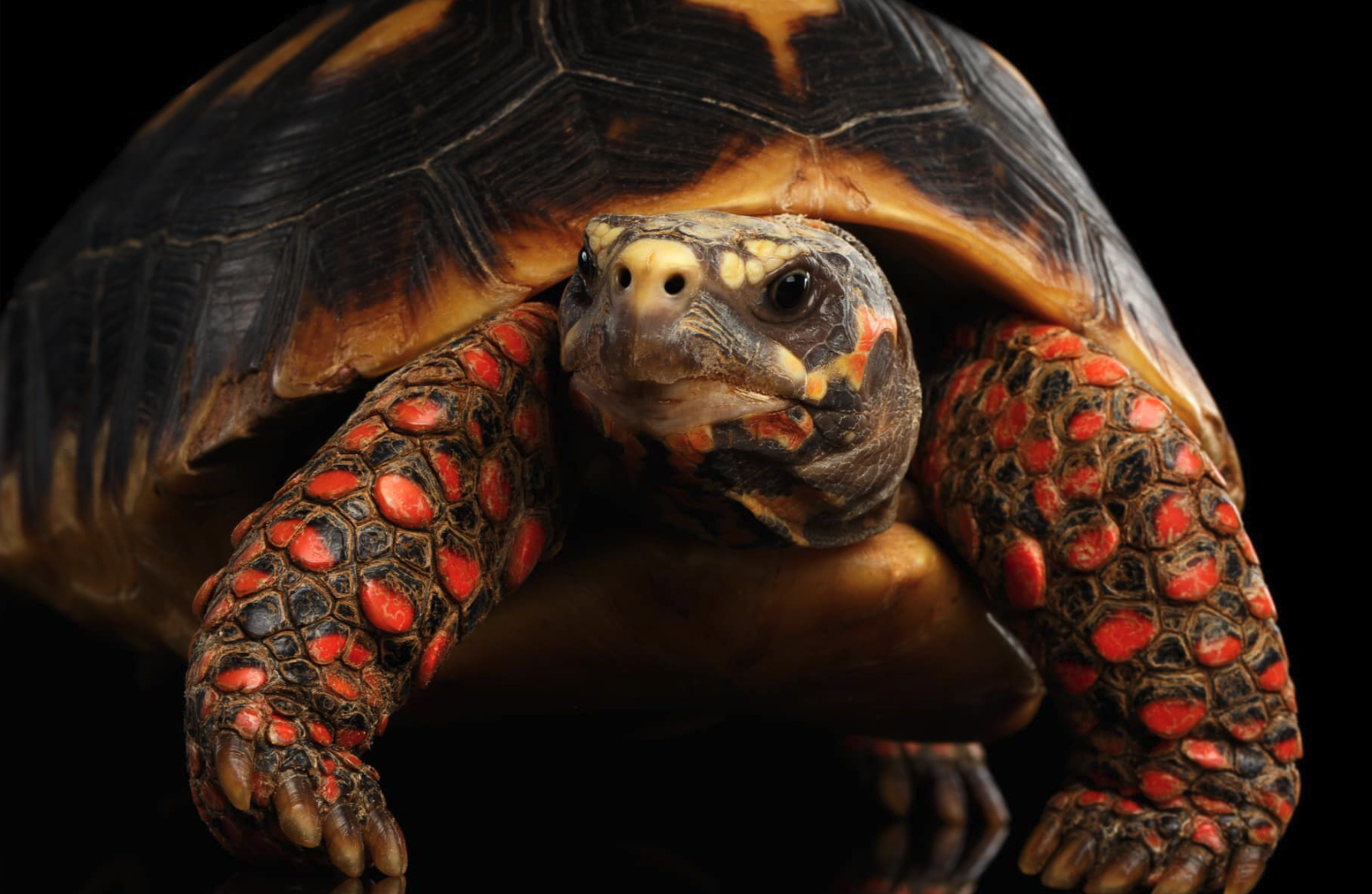
Tortoises
10 speciesTortoises are land-dwelling, shelled reptiles known for their slow movement, long lifespans, and remarkable resilience. Unlike aquatic turtles, tortoises are fully terrestrial and have evolved strong, column-like legs to support their weight.
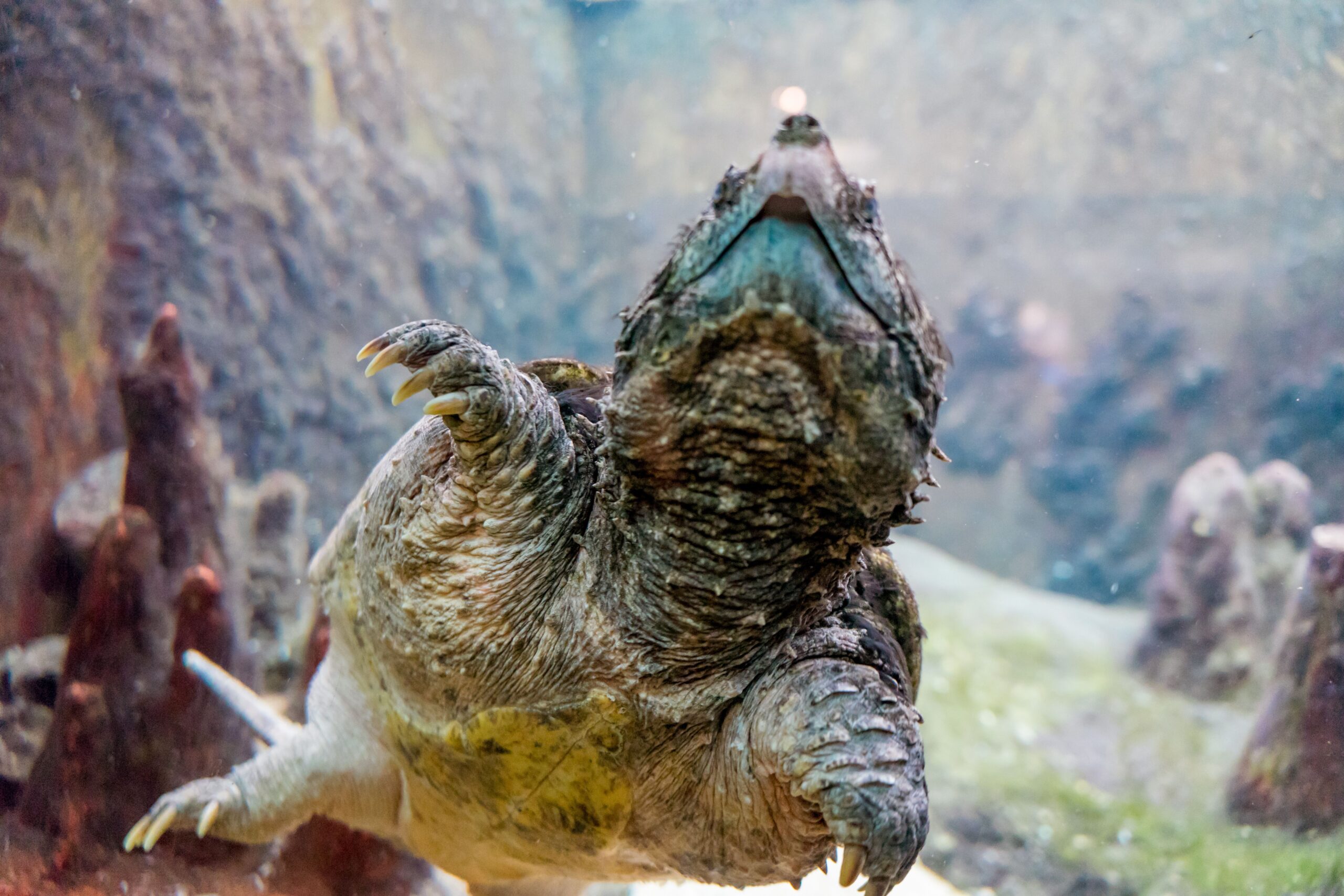
Turtles
16 speciesTurtles are ancient, resilient reptiles recognized by their protective shells and steady, deliberate way of life. Found in freshwater rivers, ponds, lakes, and wetlands across the world, turtles are uniquely adapted to life both in and around water.
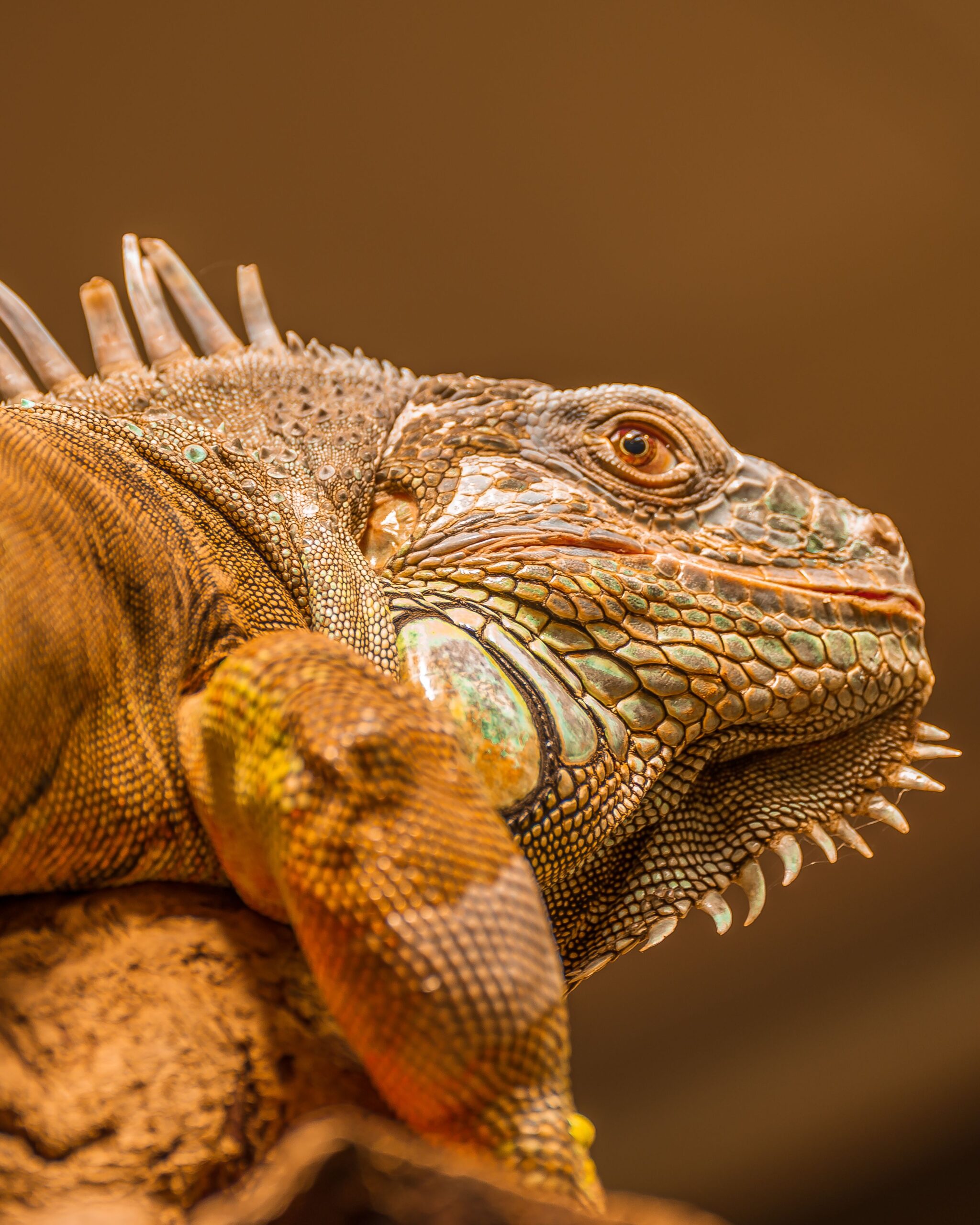
Lizards
18 speciesLizards are one of the most diverse and adaptable groups of reptiles on Earth, found on every continent except Antarctica. They range from small, delicate geckos to powerful monitors and iguanas.
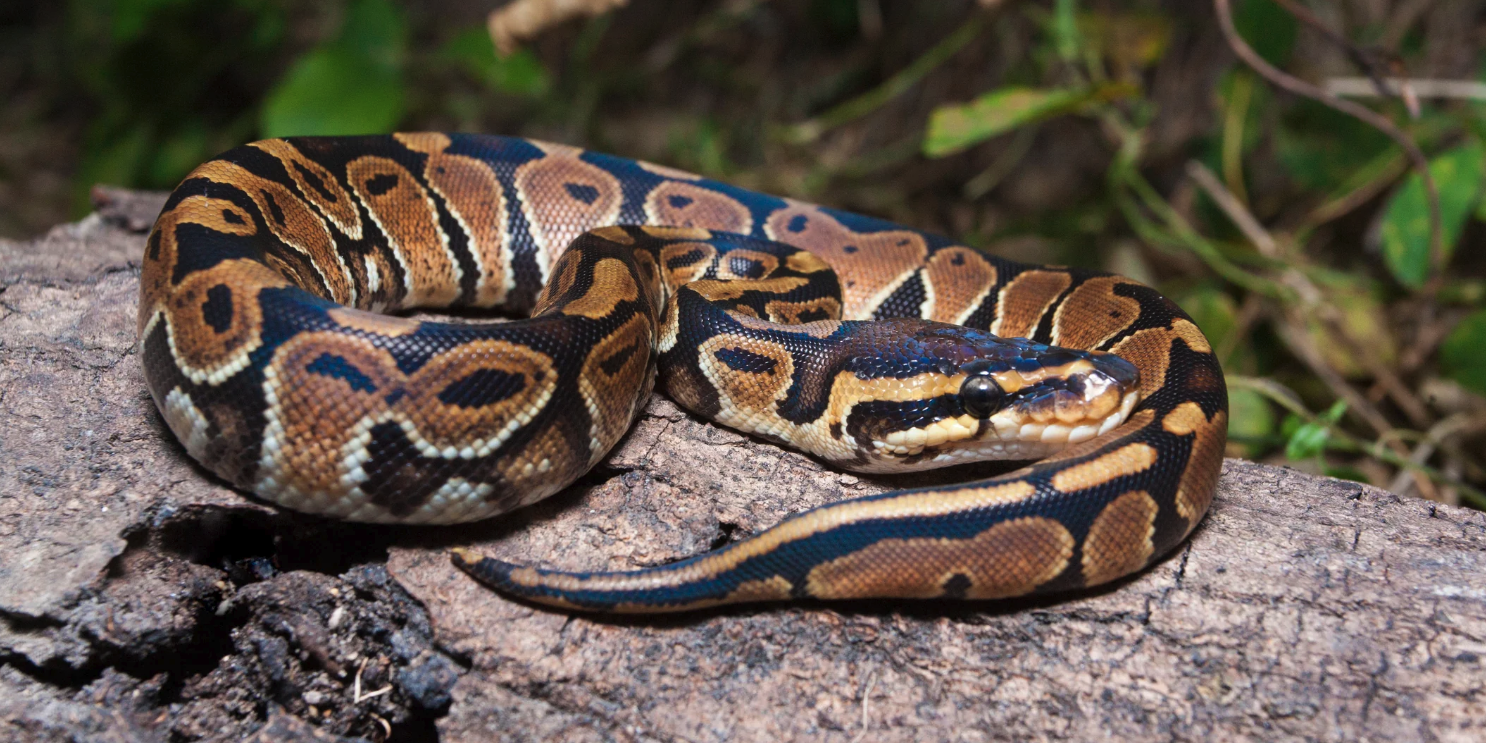
Snakes
15 speciesSnakes are legless reptiles found on every continent except Antarctica. They have evolved specialized hunting strategies, sensory systems, and movement patterns that make them highly effective predators.

Amphibians
6 speciesAmphibians are a diverse group of cold-blooded vertebrates that include frogs, toads, salamanders, and caecilians. Most amphibians begin their lives in water before transitioning to land.
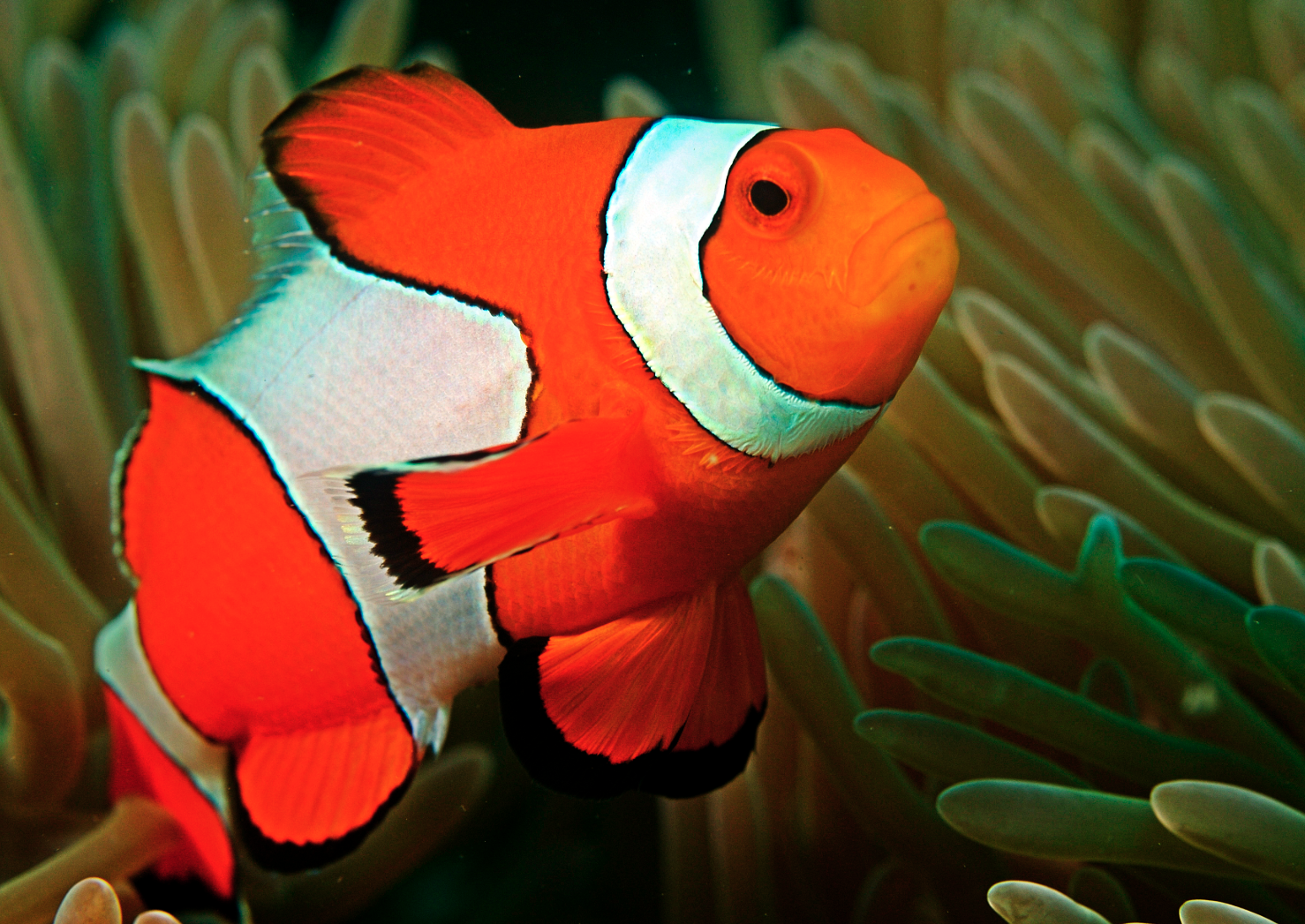
Fish
11 speciesFish are among the oldest and most diverse animals on Earth, inhabiting freshwater rivers, lakes, ponds, and oceans across the globe. With streamlined bodies, gills for breathing underwater, and an extraordinary range of colors and behaviors, fish are foundational to aquatic ecosystems.
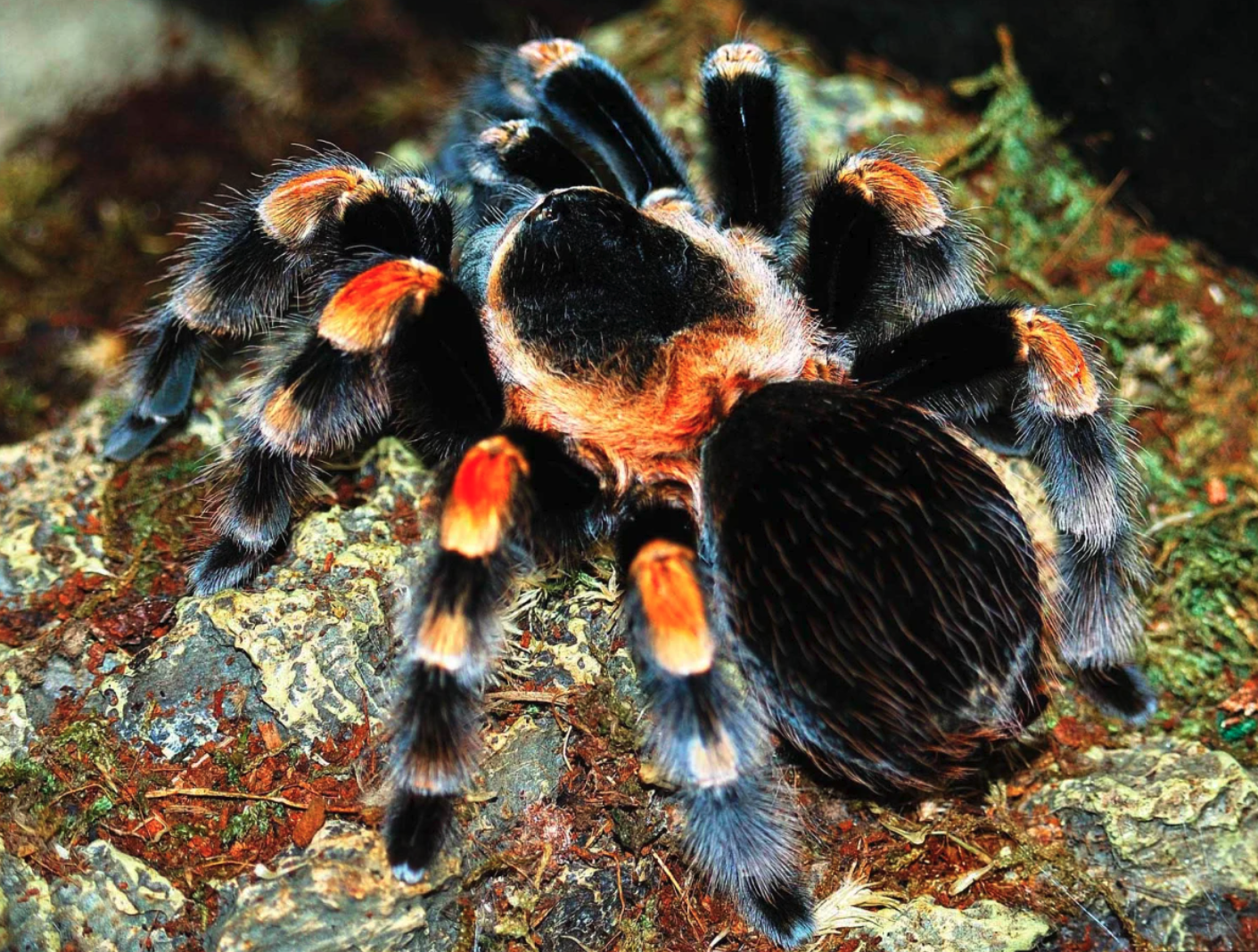
Invertebrates
7 speciesInvertebrates are animals without a backbone, making up over 95% of all animal species on Earth. This group includes insects, arachnids, crustaceans, mollusks, and many more.
Every Animal Has a Story
At Twin Falls Zoological Center, every animal in our care arrived because they had nowhere else to go. Many are rescues, surrenders, or educational ambassadors. Through careful observation and learning, visitors can develop a deeper appreciation for wildlife and the responsibilities involved in caring for them.
Learn About Our Mission